About

Dr Bunmi AboabaThe Food Noise Doctor.

Helping midlife women understand what the quiet is really showing them.

Dr Bunmi Aboaba, The Food Noise Doctor, sitting on a sofa at home
Dr Bunmi Aboaba, The Food Noise Doctor

The problem with quiet

For most women, the idea of food noise going quiet sounds like a dream.

  • No more thinking about what you just ate.
  • No more negotiating with yourself at 9pm.
  • No more Monday morning promises.

But when it actually goes quiet, whether because of medication, a change in circumstance, or simply the work you’ve done, something unexpected can happen.

The noise wasn’t just noise.

It was doing a job. Managing something. Filling a space. And when it settles, what it was covering can start to surface.

That’s not a failure. That’s the moment the real work becomes possible.

Dr Bunmi Aboaba talking with the community on a video call

What I do

I help midlife women understand the emotional and identity patterns underneath their food noise, so that the quiet the medication creates becomes a window for real, lasting change rather than a pause before the old patterns return.

Not by handing you a meal plan or another set of rules to break.

By helping you understand what food has actually been doing in your life, and what becomes possible when you meet those moments differently.

I have spent years studying why certain foods keep pulling women back even when they genuinely want to change. I understand the neuroscience of cravings, the emotional patterns underneath them, and what it actually takes to shift the relationship rather than just manage the symptoms.

A note on what I do, and what I don’t

A note on what I do, and what I don’t.

I’m not a dietitian and I’m not a medical doctor, so I don’t:

  • Write meal plans.
  • Prescribe.
  • Give clinical treatment.

What I do bring:

  • Deep expertise in why food has this kind of hold.
  • An understanding of how ultra-processed foods can hijack cravings, mood and focus.
  • Help to spot the patterns early and course correct before they take hold.
  • Alongside the emotional work, a light, practical guide to reducing ultra-processed foods and making real food a way of life. Not rules. A reference you can come back to whenever you need it.

If you’re looking for a meal plan or a prescription, I’m not the right person. But if you’re ready to understand why food has this kind of hold, and what to do about it, you’re in the right place.

The R4 Method

The framework underneath everything.

  1. 01

    Reset

    From blame to understanding.

    Food noise is not a character flaw. It has roots, emotional, identity-based, and neurological. Reset is where you start to see that.

  2. 02

    Regulate

    Creating safety within.

    We calm the nervous system and build a sense of safety inside you, so food no longer has to do that job. Then we explore the emotional needs food has been carrying: what it helps you manage, avoid or feel.

  3. 03

    Rewire

    Changing your relationship with yourself.

    Not just your habits, but the story you carry about who you are and what you deserve. This is where you find your footing and build the resilience to meet hard moments without food as the default answer.

  4. 04

    Reclaim

    Showing up as your best self.

    This is you, living life at its fullest. Confident, present and fully yourself, with your energy back for the things that matter.

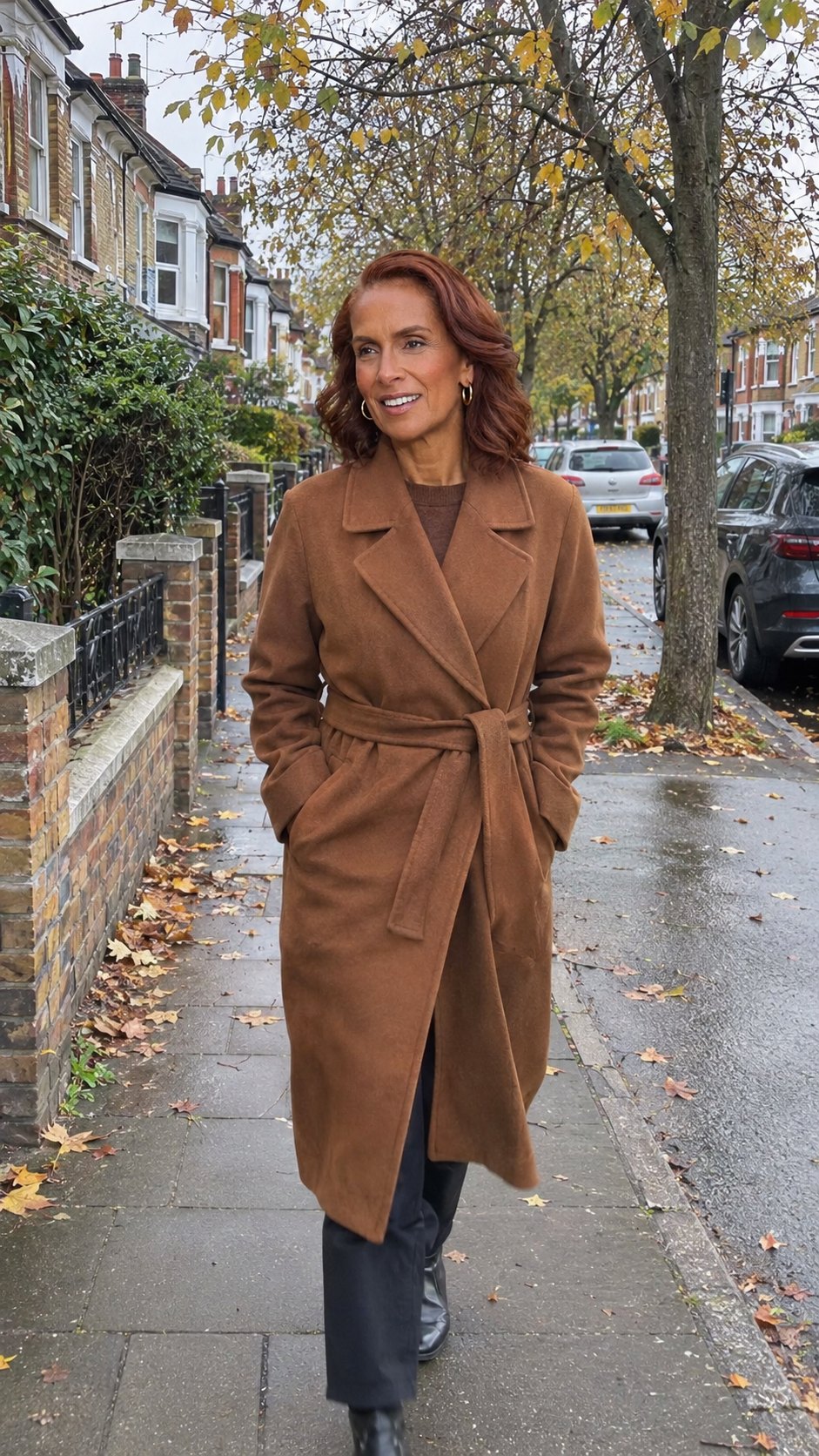
    A woman walking confidently down a tree-lined street in autumn, smiling

01

The latchkey kid

I grew up as a latchkey kid. I came home to an empty house, and the pantry became my companion. Food was what was there when nothing else was. It soothed the quiet. It filled the gap. And for a long time, I didn’t think of it as a problem — it was just how things were.

But patterns that start in childhood have a way of following you.

02

Everything that followed

Through the relationships that didn’t work out — and I’ve navigated divorce twice, so I know what it is to lose the shape of a life you built and have to find yourself on the other side of it. Through the years of building a career while raising children, holding everything together, being the person everyone needed. There was no space that was just mine. No moment that wasn’t already spoken for.

When work, caring and responsibility leave no room for rest or pleasure, food becomes something else entirely. It becomes the one reward that’s instant, always available, and doesn’t require anything from you in return. A few minutes of something that’s just for me.

I didn’t see it as a problem. I saw it as surviving.

What I didn’t see was what it was costing me.

03

The burnout

The burnout arrived the way it always does — not all at once, but in layers. Broken sleep. A tiredness that didn’t lift. The sense that my brain’s brakes had gone. Chronic stress does that — it exhausts the very systems you need to make good decisions, regulate your emotions, feel anything other than flat or frantic. And when those systems are worn down, food is one of the most available, neurologically effective ways the body knows to cope.

Overeating wasn’t a lack of willpower. It was regulation. It was my nervous system doing the best it could with what it had.

Understanding that changed everything.

04

The empty nest

Then came the empty nest. The children I’d organised my whole world around grew up and left, as they’re supposed to. The house got quieter. The shape of the day shifted. And I realised I’d spent so long being needed that I wasn’t entirely sure who I was when I wasn’t.

Each of those chapters had its own version of the 9pm kitchen. That moment when the day is done and you find yourself standing in front of the fridge, not quite sure what you’re looking for.

05

The gap

Food fills gaps. That’s not a character flaw — that’s a very human response to need.

The question is what the gap actually is. That question is what I’ve spent years — personally and professionally — learning how to answer.

“I’m not standing outside your experience telling you what to do. I’ve stood inside it. Several versions of it.”

Dr Bunmi Aboaba, The Food Noise Doctor

The compliance boundary

Dr Bunmi is not a medical doctor or registered dietitian. The content and support in this community is educational and emotional in nature. It does not constitute medical or clinical advice. Please continue to work with your GP and prescribing team for all medical decisions related to GLP-1 medication or any other aspect of your health.

Ready to understand what the quiet is showing you?

Take the Free Food Noise Check-In